
Hardwood floors add warmth and value to any home, but they also take a daily beating. Between pets, kids, furniture, and plain old foot traffic, it doesn’t take long to see small lines and scuffs appear. If you want to prevent scratches on hardwood floors and keep them looking their best, you need a plan that fits real life. You also need to know when to refinish hardwood floors so minor wear does not turn into costly damage.
In homes across The Woodlands, hardwood floors face extra challenges. Sand, humidity, and heavy seasonal rains all play a role. Let’s break down what causes scratches, how to protect hardwood floors from damage, and the clear signs hardwood floors need refinishing.
What Causes Scratches in the First Place?
Most scratches are not caused by one major accident. They build up slowly over time.
In many Texas homes, outdoor grit is a major culprit. Tiny grains of sand get tracked inside and act like sandpaper under shoes. Add pet nails, moving chairs, and high heels, and your floor’s finish starts to wear down.
Humidity also matters. This region is known for humidity. Wood naturally expands and contracts as humidity rises and falls. Over time, that movement can weaken the protective finish and make scratches more noticeable.
Understanding these everyday causes is the first step in smart hardwood floor scratch prevention.
Daily Habits That Help Prevent Scratches
The good news is that most scratches are preventable. A few consistent habits can make a big difference.
Here are practical ways to prevent scratches on hardwood floors:
- Use felt pads on furniture legs. Chairs and tables slide more than you realize. Felt pads create a soft barrier between furniture and flooring.
- Place mats at entryways. Since rain and dirt are common, door mats trap debris before it spreads across your home.
- Adopt a no-shoes policy indoors. High heels and hard soles can dent or scratch the finish.
- Trim pet nails regularly. Even calm dogs can leave marks if their nails are too long.
- Sweep or dust mop often. Fine debris is abrasive. Removing it daily reduces long-term surface wear.
These steps may seem simple, but together they form the foundation of effective hardwood floor scratch prevention.
Choose the Right Cleaning Routine
Cleaning the wrong way can damage your floors just as quickly as heavy traffic.
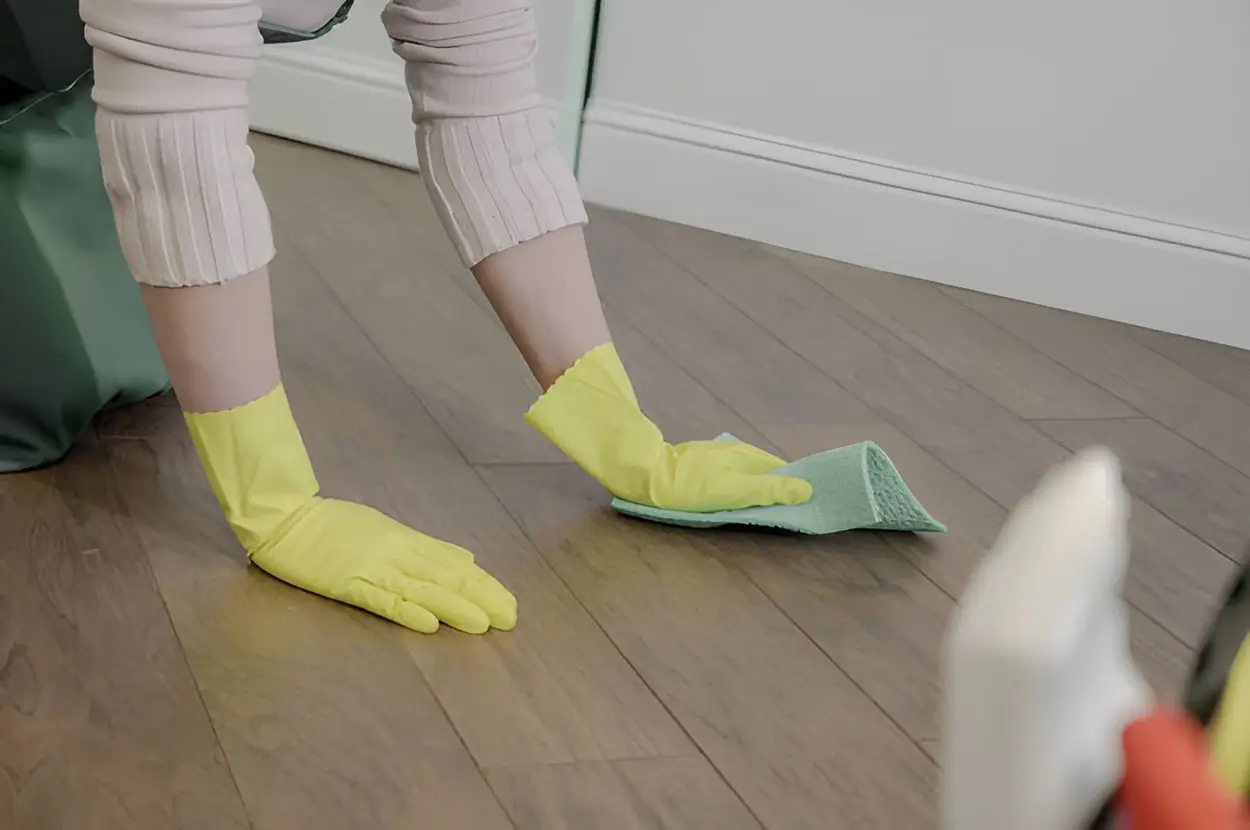
Avoid harsh chemicals and steam mops. Excess moisture can seep between boards and weaken the finish, especially in humid Texas conditions. Instead, use a microfiber mop and a cleaner specifically designed for hardwood surfaces.
When thinking about how to protect hardwood floors from damage, remember that less water is better. A lightly damp mop works well. A soaking-wet mop does not.
Vacuuming with a floor-brush attachment can also help remove dirt from corners and seams. Just make sure the vacuum does not have a rotating beater bar, which can scratch the surface.
Rearranging Furniture Without Damage
Sooner or later, you will want to rearrange a room. When you do, never drag heavy furniture across hardwood floors.
Always lift pieces completely off the ground or use furniture sliders. Even a short drag across the room can leave deep scratches that cut through the finish and expose raw wood.
In busy households, area rugs can add another layer of protection in high-traffic zones such as hallways and living rooms. Rugs help distribute wear and reduce the impact of daily foot traffic.
Minor Scratches vs. Deep Damage
Before deciding on major repairs, take a closer look at the type of damage you are dealing with.
Light surface scratches usually affect only the top protective finish. These can often be improved with polishing products or color-matched touch-up markers.
Deeper scratches that expose bare wood are more serious. They may darken over time as dirt settles into the grain. In some cases, isolated boards can be repaired. In others, widespread damage signals a larger issue.
Knowing the difference helps you decide whether basic hardwood floor scratch prevention is still enough or if refinishing is the smarter option.
When to Refinish Hardwood Floors
Even with proper care, every hardwood floor will eventually need refinishing. The real question is when to refinish hardwood floors instead of continuing with surface-level maintenance.
Refinishing involves sanding down the top layer and applying a new protective finish. This removes surface damage and restores the floor’s original appearance.
Here are common signs hardwood floors need refinishing:
- Widespread dullness. If your floors no longer shine after cleaning, the protective layer may be worn thin.
- Scratches across large areas. When scratches are visible throughout a room, refinishing provides a more complete solution.
- Gray or dark discoloration. This often means the finish has worn away and moisture is reaching the wood.
- Water soaks in quickly. If droplets no longer bead on the surface, the protective coating may be compromised.
Many hardwood floors need refinishing every 7–10 years, depending on traffic, pets, and maintenance.
Why Timing Matters
Waiting too long to refinish can lead to more serious problems.
When scratches cut through the finish and into the wood, moisture can seep in. Over time, that may cause staining, cupping, or warping. At that stage, repairs become more involved and more expensive.
Paying attention to the signs hardwood floors need refinishing allows you to act early and protect your investment. A timely refinish can extend the life of your floors for many more years.
Protecting Hardwood Floors in a Texas Climate
Homes in The Woodlands and across the greater Houston area deal with long stretches of high humidity. Maintaining consistent indoor temperature and humidity levels helps minimize expansion and contraction.
It is also important to clean up spills immediately. In humid environments, moisture does not evaporate as quickly. Quick action reduces the risk of staining or long-term damage.
If you are completing home projects or moving heavy appliances, cover your floors with protective sheeting. Construction dust and dropped tools can cause scratches in minutes.
Learning how to protect hardwood floors from damage in a Texas climate comes down to prevention, routine care, and knowing when professional help is needed.
Restore and Protect Your Hardwood Floors
Hardwood floors are designed to last for decades, but they require consistent care. With proper hardwood floor scratch prevention and timely refinishing, you can preserve their beauty and value year after year.
If you have noticed growing wear, deeper scratches, or fading across larger areas, it may be time for a professional evaluation. At Flooring Pros, we help homeowners in The Woodlands and the surrounding Houston area prevent scratches and decide when refinishing is the right solution.
Learn more about how we restore and protect hardwood floors by exploring our expert hardwood flooring services, or contact Flooring Pros to schedule an evaluation.